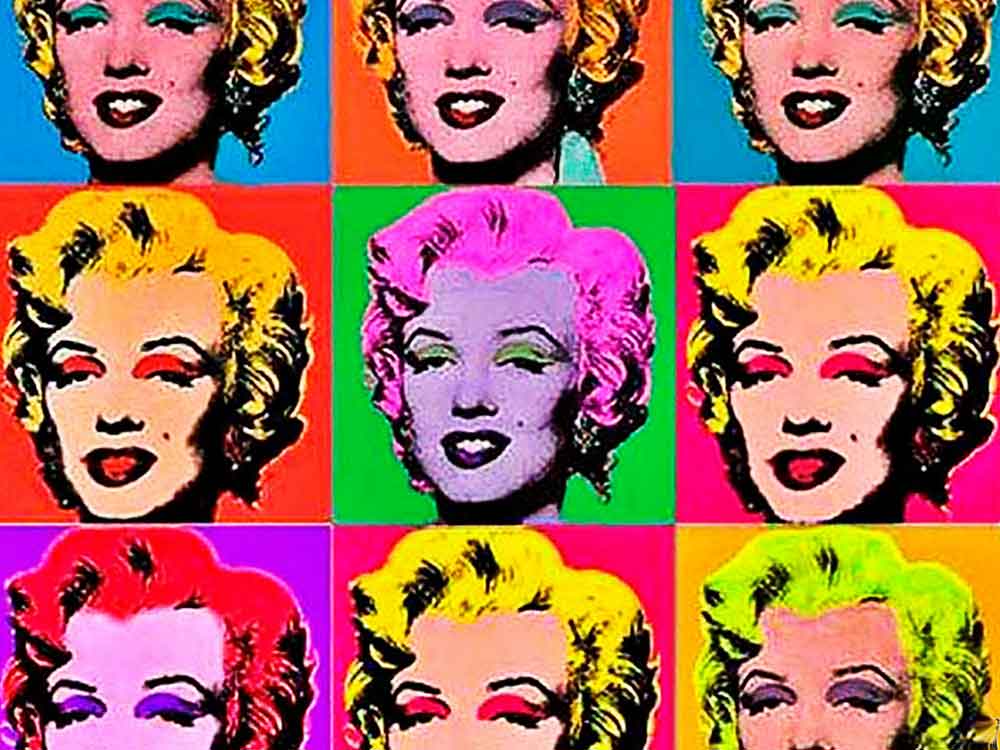
Pop art is an art movement that emerged in the United Kingdom and the United States during the mid- to late-1950s. The movement presented a challenge to traditions of fine art by including imagery from popular and mass culture, such as advertising, comic books and mundane cultural objects.
The subject matter became far from traditional “high art” themes of morality, mythology, and classic history; rather, Pop artists celebrated commonplace objects and people of everyday life, in this way seeking to elevate popular culture to the level of fine art.
Key Figures
Paolozzi, a Scottish sculptor and artist, was a key member of the British post-war avant-garde. His collage I Was a Rich Man’s Plaything proved an important foundational work for the Pop art movement, combining pop culture documents like a pulp fiction novel cover, a Coca-Cola advertisement, and a military recruitment advertisement.
The origins of pop art in North America and Great Britain developed differently. In the United States, it marked a return to hard-edged composition and representational art as a response by artists using impersonal, mundane reality, irony and parody to defuse the personal symbolism and “painterly looseness” of Abstract expressionism. By contrast, the origin in post-War Britain, while employing irony and parody, was more academic with a focus on the dynamic and paradoxical imagery of American popular culture as powerful, manipulative symbolic devices that were affecting whole patterns of life, while improving prosperity of a society. Early pop art in Britain was a matter of ideas fueled by American popular culture viewed from afar, while the American artists were inspired by the experience of living within that culture.
Similarly, pop art was both an extension and a repudiation of Dadaism. While pop art and Dadaism explored some of the same subjects, pop art replaced the destructive, satirical, and anarchic impulses of the Dada movement with detached affirmation of the artifacts of mass culture. Among those artists seen by some as producing work leading up to Pop art are Pablo Picasso, Marcel Duchamp, Kurt Schwitters, and Man Ray. Some of the work of Alex Katz anticipated Pop art.
Peter Blake
He is a contemporary British artist known for his association with the Pop Art movement. Alongside David Hockney, Patrick Caulfield, and Richard Hamilton, Blake sourced imagery from popular culture to produce colorful and distinctly graphic works.
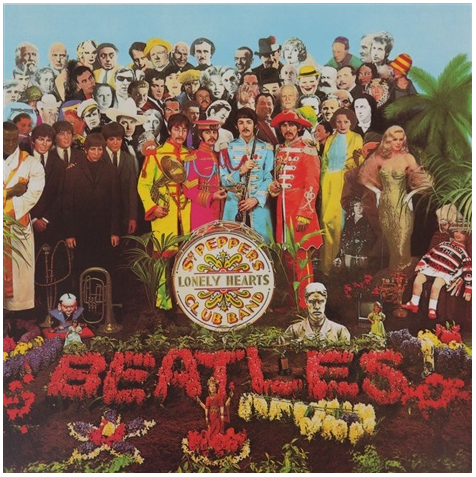
He is perhaps best known for creating the album cover for The Beatles’s Sgt Pepper’s Lonely Hearts Club Band in 1967. “I wanted to make an art that was the visual equivalent of pop music,” he reflected. “When I made a portrait of Elvis I was hoping for an audience of 16-year-old girl Elvis fans, although that never really worked.”
Richard Hamilton
Richard Hamilton was an English artist known for producing some of the earliest works of Pop Art. Though he used a wide variety of techniques during his career, his most recognizable works, such as Study for a Fashion Plate (1969). He was a member of ICA in the early 1950s.
Andy Warhol (1928 – 1987)
Andy Warhol was an American artist who was a leading figure in the visual art movement known as pop art. His works explore the relationship between artistic expression, celebrity culture and advertisement that flourished by the 1960s. After a successful career as a commercial illustrator, Warhol became a renowned and sometimes controversial artist.
Warhol’s art used many types of media, including hand drawing, painting, printmaking, photography, silk screening, sculpture, film, and music. He was also a pioneer in computer-generated art using Amiga computers that were introduced in 1984, two years before his death.

It was during the 1960s that Warhol began to make paintings of iconic American objects such as dollar bills, mushroom clouds, electric chairs, Campbell’s Soup Cans, Coca-Cola bottles, celebrities such as Marilyn Monroe, Elvis Presley, Marlon Brando, Troy Donahue, Muhammad Ali, and Elizabeth Taylor, as well as newspaper headlines or photographs of police dogs attacking civil rights protesters. During these years, he founded his studio, “The Factory” and gathered about him a wide range of artists, writers, musicians, and underground celebrities. His work became popular and controversial.
Roy Lichtenstein (1923 – 1997)
Roy Lichtenstein was an American artist known for his paintings and prints which referenced commercial art and popular culture icons like Mickey Mouse. Composed using Ben-Day dots—the method used by newspapers and comic strips to denote gradients and texture—Lichtenstein’s work mimicked the mechanical technique with his own hand on a much larger scale. He was a leading figure in establishing the Pop Art movement, along with Claes Oldenburg, Andy Warhol, and Jasper Johns.

His most famous image is Whaam! one of the earliest examples of Pop Art, adapted a comic book panel from 1962.
1960 – 1970s Psychedelic
Psychedelic Art generally refers to art that has been influenced by hallucinogenic drugs. However, it may also refer to the art of the 1960s counter-culture movement. Some people relate art that is a visual depiction of kaleidoscopic-like patterns to the Psychedelic Art movement. The movement was closely linked to the psychedelic music of the 1960s as well and was evident in both concert posters and record album covers.
The discovery of LSD and its subsequent popularity as an agent that produces altered states of consciousness was at the core of the Psychedelic Art movement; however, other drugs were also used as a means of inducing certain types of artistic expressions. Various poster artists of San Francisco were responsible for launching the Psychedelic Art movement during the 1960s.
Many works, especially evident in concert and event posters, depicted a strong color palette—usually of contrasting colors—along with ornate lettering, and kaleidoscopic swirls. The art of this period also reflected Art Nouveau and Victorian influences.
1970 – 1980s Punk & New Wave
During the 1980s some young Swiss designers felt the need to move on from the Internation Style. Wolfgang Weingart experimented with looser organization, violating the strict grid with more intuitive placement of objects and painterly treatment of surfaces. He overlapped images, used enlarged half-tone patterns and graphic visual elements. Rather than rejection of the Swiss Style, Weingart saw his work as a next logical progression.
Peter Saville
Probably most noted for his record and album cover designs for Factory Records, Peter Saville was a designer whose career spanned several decades. His early work, in the late 1970s and early 80s, included album covers for several bands on the Factory Records label, but the ones that achieved the highest level of fame were for New Order and Joy Division.

He was particularly influenced by the work of Jan Tschichold and his disciplined, yet subtle approach to typography.
Jamie Reid (b. 1947)
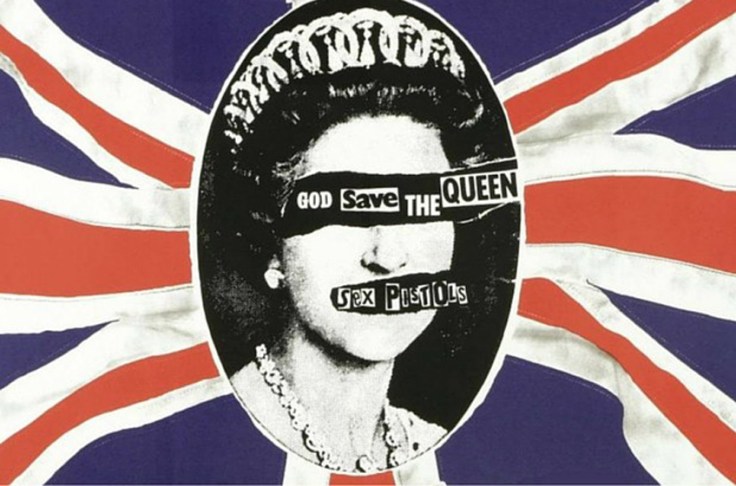
Jamie Reid is a British artist best known for his décollage covers of the Sex Pistols’ albums Never Mind the Bollocks and Here’s the Sex Pistols, as well as their singles “Anarchy in the U.K.” and “God Save the Queen.” A self-described anarchist, Reid’s cover art helped define the aesthetic of the British punk movement with its faux-ransom-note letters and iconoclastic defacements of pop culture and nationalistic images.
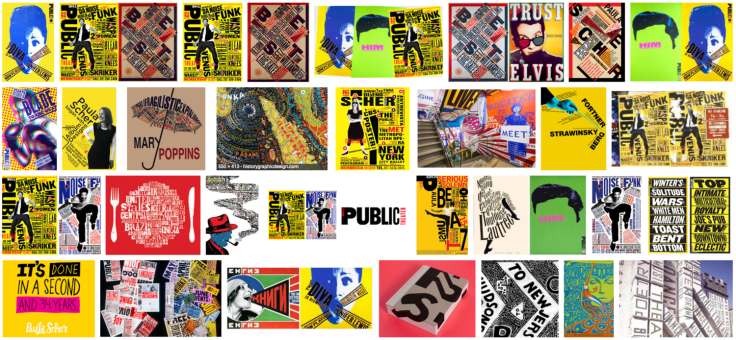
Paula Scher (b. 1948)
Scher began her career creating album covers for both Atlantic and CBS records. However, it was not long before she formed her own design company, and after only a few years there she joined Pentagram. During her career she has created memorable identities and other work for clients such as Citi Bank, Coca-Cola, the Metropolitan Opera, the Museum of Modern Art and the New York Philharmonic, among others.
Digital Design
The invention of the personal computer shook the entire world, forcing people to evaluate the way that they communicated with others and providing a new platform for design and advertising to distribute its messages. Flipping the design community on its had both as a tool of production and personal expression the computer has been both an asset and hindrance to the world of graphic design ever since.
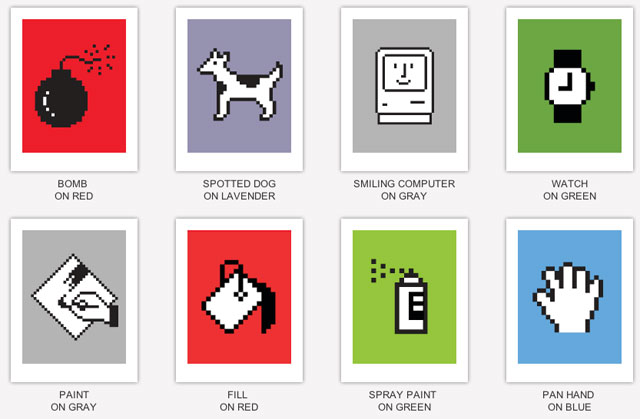
Susan Kare
She was one of the first graphic designer hired by Apple Macintosh in the early 80s to create fonts, interfaces icons for Macintosh.
April Greiman (b. 1948)
In the 1980s the computer hit the consumer market on a variety of different fronts. At the time the computer was seen as a tool for technology based industries, but April Greiman took advantage of its potential as a new visual medium and helped usher in the digital era of design as she pushed the boundaries of design.
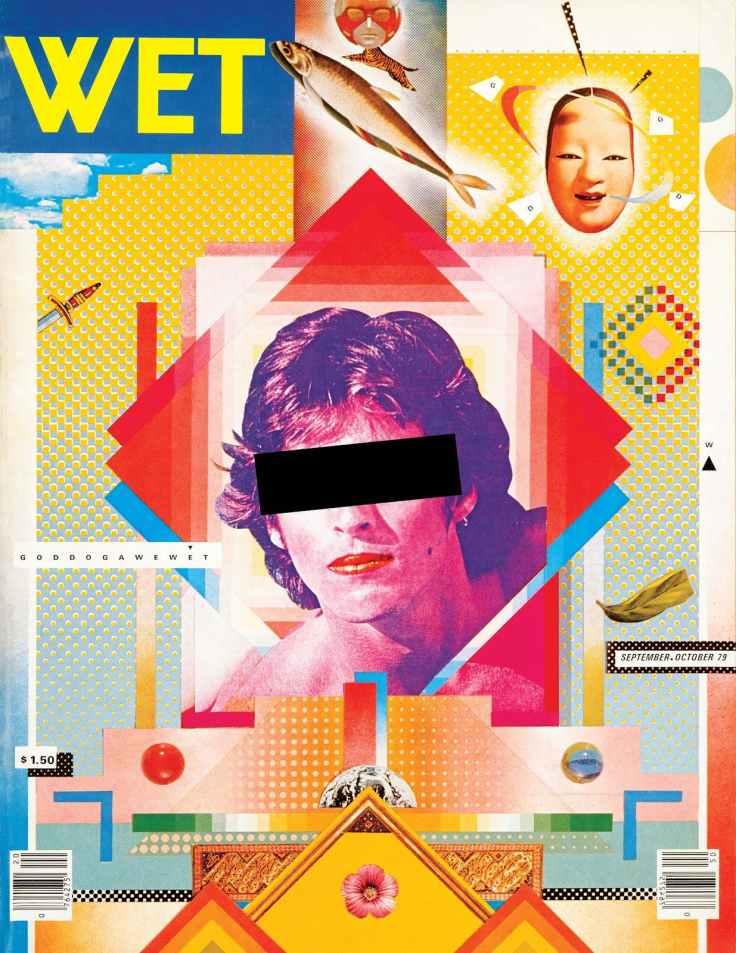
She finds the title graphic designer too limiting and prefers to call herself a trans-media artist. Her work has inspired designers to develop the computer as a tool of design and to be curious and searching in their design approach.
She received the Grand prize in Mac World’s first Macintosh Masters in Art Competition.
Neville Brody (b. 1948)
He is a London graphic designer, typographer and art director. He was one of another early adaptor to computer based design.
David Carson (b. 1955)
Carson was born in Corpus Christi, Texas and spent much of his early life in southern California where he was a high school teacher before becoming a designer. Ingrained within the surfing sub-culture of southern California, Carson started experimenting with graphic design during the mid 1980s. Not only a designer, in 1989 he has qualified as the 9th best surfer in the world.
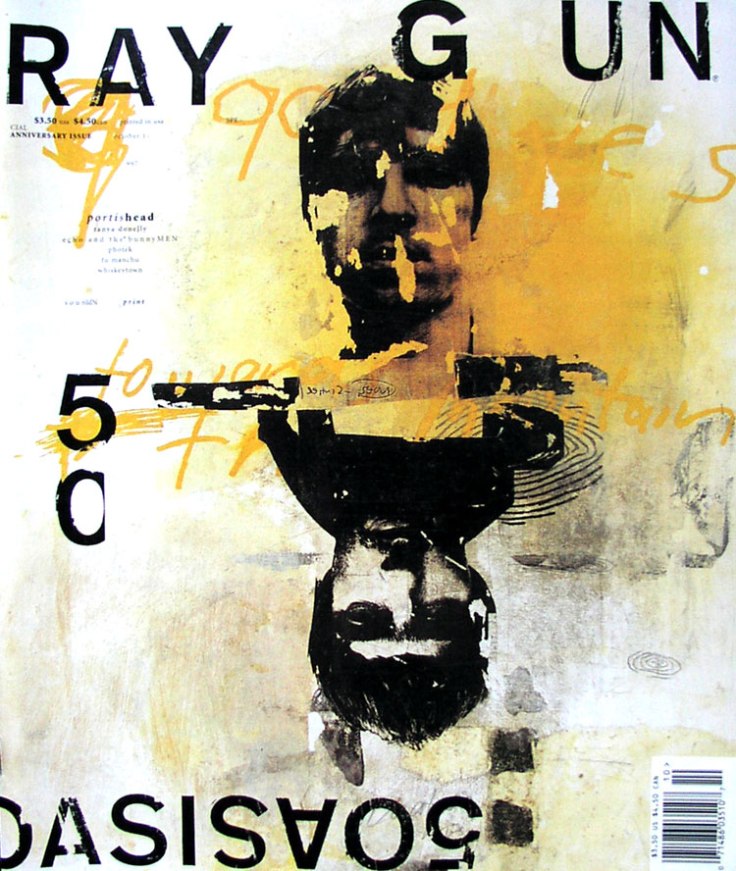
His interest in the world of surfing gave him the opportunities to experiment with design, working on several different publications related to the profession. He his well known for his experimental typography. He was founding art director of alternative rock magazine Ray Gun where his experimentation with layout and expressive type gained attention. He created a personal grunge style that inspired many graphic designer.
Louise Fili
A designer who is absolutely enthralled with Italian culture, Louise Fili worked in the book publishing business for 11 years and now runs her own design studio where she specializes in restaurant identity, food packaging and book jacket design. Her interest in food and the Italian culture started when she was very young. The daughter of Italian immigrants, she first visited Italy when she was 16 years old.
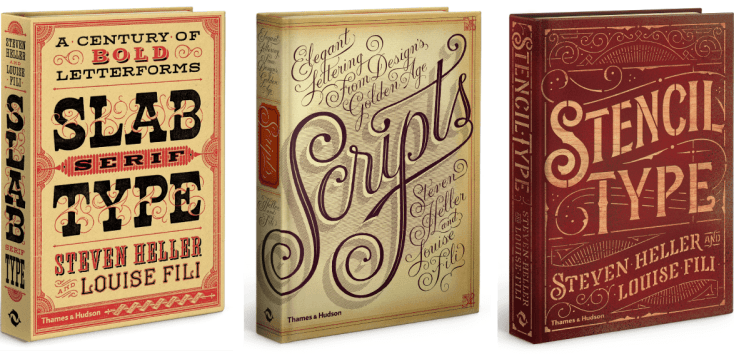
Her affection for typography also started when she was very young and she would often spend the night-time hours hiding in the dark so she could carve lettering into the wall over her bed.
Michael Beirut
He is a graphic designer, design critic and educator who designed the logo for Hillary Clinton’s 2016 presidential campaign. He is currently a partner at Pentagram NY but previously was a Vice president at Vignelli Associates.
Stefan Sagmeister
Austrian born but New York based Sagmeister is Design Principal of Sagmeister & Walsh Inc (with partner Jessica Walsh). He is known for his highly provocative designer who takes creative risks in his approach to projects. His clients include, Adobe, Red Bull, MoMa, AIGA, NYTimes Magazine and many more.
Jonathon Barnbrook
He is a British graphic designer, film maker and typographer. Barnbrook designed the cover artwork of David Bowie’s 2002 album Heathen, where he used his ‘Priori’ typeface for the first type.
Barnbook has produced many font, but Mason and Exocet are among his most popular released Emigré.
Ireland
The Project Twins
The founder of the the Project Twins are Michael & James Fitzgerald. Their work takes inspiration from mid-century American designers such as Bass, Chwast and Glaser.
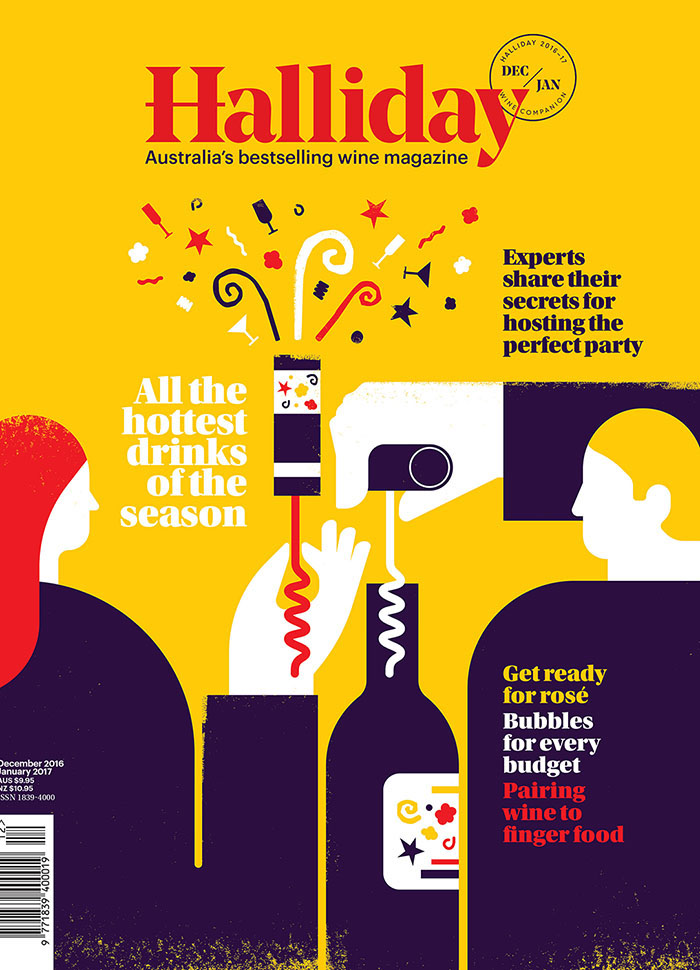
Steve Simpson
Originally from England, he moved to Dublin to set up his studio in Dun Laoghaire. He is in a Illustrator, animator, toy creator, designer art director and artist. His client list includes Jameson, Universal Studio, Inferno Sauce, Magners, Harrods, Adobe 7up, Dunne Stores and more.
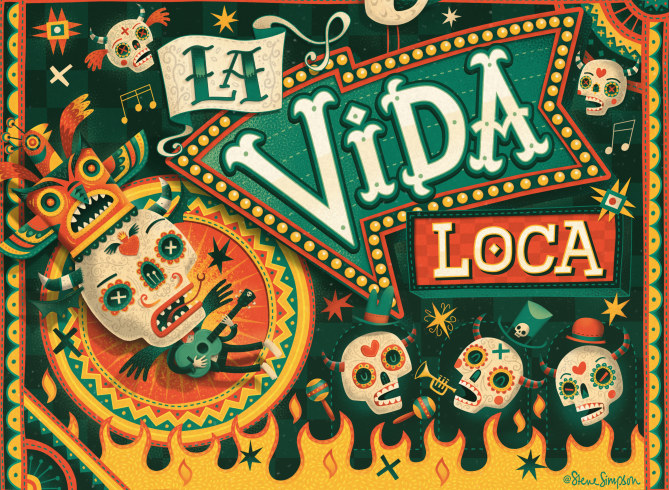
His work is influenced by South American folk art, with limited colour palette.
Paula McGloin
She is an illustator and surface designer, with studio in Dublin. Member of the Illustrators Guild of Ireland.
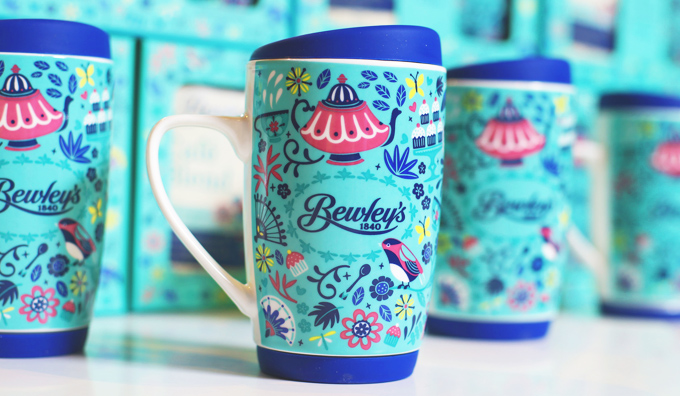
Her work is characterized by an international appeal and appears worldwide in books, editorial, retail design, fashion, fabrics and ceramics.
 Gurjeet e-Portfolio
Leave a comment